
Google Pixel 10a: A Camera Phone with Long-Term Support?
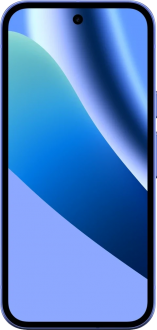
The Google Pixel 10a offers a strong camera and exceptional software support, but its performance and battery health limitations require careful consideration.
Decision: consider · Match: 76/100 · Confidence: 90/100
How this score is calculated: This score combines two things: the product's absolute hardware level (Qor AI Tech Score 79/100) and how well it fits your quiz answers — weighted 60/40. Product segment: Upper-mid segment. A device that is excellent for its own class still will not reach the score of a higher tier.
The Google Pixel 10a excels with its advanced camera system and an impressive seven years of software updates, making it a solid choice for users prioritizing photography and long-term device longevity. However, the Tensor G4 chipset, while adequate for daily tasks, shows performance limitations under sustained load and in demanding applications. Buyers should also be aware of the mandatory Battery Health Assistance feature, which gradually reduces effective battery capacity over time. This phone is best suited for users who value a pure Android experience and excellent imaging over raw processing power and consistent peak battery performance.
Detailed analysis
The Google Pixel 10a, announced in February 2026 and released in March 2026, positions itself as a strong mid-range contender within the smartphone market. It aims to deliver a premium Google experience, particularly in camera performance and software longevity, at a more accessible price point than its flagship siblings. The device is powered by Google's Tensor G4 chipset, features a robust camera system, and boasts an impressive commitment to software updates. Performance is a mixed bag for the Pixel 10a. While the Tensor G4 chipset, built on a 4nm process with an 8-core CPU and 8 GB of LPDDR5X RAM, handles everyday tasks smoothly, it has faced criticism for not keeping pace with competitors in the same segment. Reports indicate that the phone may aggressively throttle performance in warmer conditions, and even some native Google apps can experience slower loading times. The camera system is a significant highlight, featuring a 48 MP main sensor with OIS and Dual Pixel PDAF, alongside a 13 MP ultrawide lens. DXOMARK tests confirm its strong performance in portrait photography and its ability to produce natural-looking colors with reliable autofocus. Despite the hardware being largely carried over from the previous generation, the Pixel's computational photography prowess ensures high-quality results. The 6.3-inch pOLED display offers a sharp 1080x2424 resolution, a dynamic 60-120 Hz refresh rate, and a peak brightness of 3000 nits, protected by Corning Gorilla Glass 7i. While the display itself is vibrant and responsive, some users have noted that the bezels are thicker than expected for a device in this price range, which could detract from the overall aesthetic. Battery life is generally good, with the 5100 mAh cell providing over 30 hours of typical use. However, a critical point of contention is Google's mandatory Battery Health Assistance feature, which progressively reduces the effective battery capacity and charging speed after 200 and 1000 cycles, respectively. This design choice impacts the device's long-term battery performance and user experience. Software support is where the Pixel 10a truly shines, offering an industry-leading 7 years of Android OS and security updates. This commitment ensures the device remains secure and feature-rich for an extended period, providing excellent longevity. It ships with Android 16 and benefits from Google's regular Pixel Feature Drops, enhancing its functionality over time. In terms of build and durability, the Pixel 10a features an aluminum frame and a composite matte back cover, contributing to its premium feel. It also carries an IP68 rating for water and dust resistance, making it robust enough for daily challenges. The use of recycled materials, including 100% recycled aluminum for the frame, highlights Google's commitment to sustainability. Connectivity options are comprehensive, including 5G support, dual SIM capabilities (nano SIM + eSIM), Wi-Fi 6E, Bluetooth 6.0, NFC, and a USB Type-C port. A notable omission from the box contents is a charging adapter, meaning buyers will need to acquire one separately. This is a common trend but can be an unexpected cost for some users. Overall, the Google Pixel 10a is a compelling option for users who prioritize an exceptional camera, a pure Android experience, and long-term software support. However, potential buyers should weigh these strengths against the performance limitations of the Tensor G4 and the long-term implications of the Battery Health Assistance feature.
Strengths
- Exceptional 7-year software and security update commitment ensures long-term usability and feature access.
- High-quality 48 MP main camera delivers excellent portrait photography and natural colors with reliable autofocus.
- Vibrant 6.3-inch pOLED display with a 60-120 Hz dynamic refresh rate offers smooth visuals and high brightness.
- Robust IP68 water and dust resistance, combined with Corning Gorilla Glass 7i, enhances durability.
- Pure Android 16 experience with exclusive Pixel features and timely updates.
- Constructed with recycled materials, including a 100% recycled aluminum frame, showcasing environmental responsibility.
Weaknesses
- The Tensor G4 chipset exhibits performance limitations compared to rivals, especially under sustained load and in warmer conditions.
- Mandatory Battery Health Assistance feature gradually reduces effective battery capacity and charging speed over time.
- Charging adapter is not included in the box, requiring an additional purchase for buyers.
- Charging speeds are slower than expected, with reports of throttling when the battery temperature increases.
- Display bezels are thicker than some competitors in the same price segment, impacting the screen-to-body ratio.
Things that change the decision
Tensor G4 Performance Concerns
The Tensor G4 chipset, while capable for daily tasks, has been criticized for lagging behind competitors in 2024 and is a notable concern for a new 2026 phone. Performance throttling in warmer environments further limits its potential, especially for demanding users.
Feature by feature
| Main Camera | 48 MP | The 48 MP main camera with OIS and Dual Pixel PDAF delivers excellent image quality, particularly for portraits, making it a strong choice for photography enthusiasts. It captures natural colors and offers reliable autofocus. |
| Software Updates | 7 years | Google's commitment to 7 years of OS and security updates ensures the Pixel 10a remains current and secure for an extended period. This is a significant advantage for users seeking longevity from their smartphone. |
| Chipset | Google Tensor G4 | The Google Tensor G4 handles most daily operations competently, but it struggles with sustained heavy loads and demanding applications, showing performance throttling. It is not on par with leading competitors in raw power. |
| Battery Capacity | 5100 mAh | The 5100 mAh battery offers good endurance, providing over 30 hours of normal use. However, the mandatory Battery Health Assistance feature and slower charging speeds can impact the overall user experience over time. |
| Fast Charging | 45 W | While supporting 45W fast charging, the actual charging speed is often slower than expected, taking about 1 hour and 15 minutes for a full charge. This is further impacted by temperature-related throttling. |
| Display Type | pOLED, 60-120 Hz | The 6.3-inch pOLED display with a dynamic 60-120 Hz refresh rate offers excellent visuals and smooth animations. Its 3000 nit peak brightness ensures good visibility even in bright conditions. |
| Water Resistance | IPX8 | With IPX8 water resistance, the Google Pixel 10a offers robust protection against water ingress, providing peace of mind for users in various environments. This enhances its overall durability. |
| RAM | 8 GB | The 8 GB of LPDDR5X RAM is adequate for most multitasking needs and ensures a generally smooth user experience. However, demanding applications might occasionally push its limits. |
What owners say
Satisfaction: 68/100
Community sentiment for the Google Pixel 10a is polarized, reflecting a balance between its standout features and notable drawbacks. A significant portion of owners express strong satisfaction with the camera performance, often highlighting its ability to capture high-quality photos with natural colors and reliable autofocus, particularly in portrait mode. The long-term software support, with a commitment to seven years of updates, is another widely praised aspect, providing users with confidence in the device's longevity and security. However, a substantial segment of the community voices concerns regarding the phone's performance. The Tensor G4 chipset is frequently cited as a bottleneck, with users reporting noticeable slowdowns during demanding tasks, gaming, and even with some native Google applications. Performance throttling in warmer environments is a recurring complaint, suggesting that the phone struggles to maintain peak performance under stress. The mandatory Battery Health Assistance feature is a widespread point of contention. Owners are unhappy with the system's design to progressively reduce effective battery capacity and charging speed over the device's lifespan, viewing it as an artificial limitation. Furthermore, the actual charging speeds are often reported as slower than advertised, with temperature-induced throttling being a common observation. While the build quality and design, incorporating recycled materials and an IP68 rating, generally receive neutral to positive feedback, some users point out that the display bezels are thicker than many contemporary smartphones in its price category. This minor aesthetic detail, combined with the absence of a charging adapter in the box, contributes to a mixed overall perception. The community consensus suggests that while the Pixel 10a excels in specific areas like photography and software, its performance and battery management decisions prevent it from being a universally recommended device.
What owners keep praising
- Long Software Support
The commitment to 7 years of Android OS and security updates is a major draw, ensuring the device remains current and secure for an extended period, which users highly appreciate.
Chronic problems
The ownership search turned up no recurring failure for this model — no defect pattern, bad batch or firmware regression that owners keep reporting.
Smart alternatives
- Huawei Nova 16 Pro — The Huawei Nova 16 Pro offers a significantly higher resolution 200 MP main camera and a larger 7000 mAh battery with much faster 100W charging, surpassing the Pixel 10a's camera resolution and charging speeds. However, it typically runs on Huawei's HarmonyOS, which lacks Google Mobile Services, a key difference for many users.
- Redmi K100 Pro — The Redmi K100 Pro features a more powerful 200 MP main camera and a substantially larger 8580 mAh battery with 100W fast charging, offering a significant upgrade in both photography hardware and battery endurance compared to the Pixel 10a. Its processor is also generally more powerful than the Tensor G4.
- Samsung Galaxy A5x series (e.g., A55) — The Samsung Galaxy A5x series offers a competitive mid-range experience with a good camera and reliable performance, often at a slightly lower price point than the Pixel 10a. While it doesn't match the Pixel's 7-year software support, it provides a well-rounded Android experience with Samsung's One UI.
Price outlook
Trend: stable · Buy or wait: watch · Best time to buy: Late Q4 2026 or early Q1 2027
The Google Pixel 10a, having been officially announced in February 2026 and released in March 2026, is a relatively new product on the market. Google's A-series devices typically maintain a stable price point for several months post-launch, with significant price drops usually occurring closer to the announcement of a successor model. Given its recent release, the current market price is expected to remain largely stable in the short to medium term. Google's pricing strategy for its A-series phones aims to offer a balance of features and affordability, which means initial pricing is carefully set to capture the mid-range market. There isn't immediate pressure from direct competitors to force aggressive price reductions, as the Pixel 10a differentiates itself with its camera and software support. This contributes to the anticipated stability of its price. Component costs and manufacturing overheads are also likely to remain consistent, preventing any drastic shifts in the retail price. While global economic factors can always influence pricing, there are no specific indicators suggesting a major change in the near future for this particular model. For buyers looking for the best deal, waiting until late Q4 2026 or early Q1 2027 might be beneficial. This period often aligns with major holiday sales events or the lead-up to the typical announcement cycle for Google's next A-series phone, which could trigger discounts on the Pixel 10a. However, these discounts are unlikely to be substantial. Therefore, the recommendation is to 'watch' the price. While immediate purchase won't likely result in overpaying significantly, patient buyers might find minor savings by waiting a few months. Those who prioritize getting the device now for its current features and long-term software support should not hesitate, as major price shifts are not imminent.
Who is it for?
Buy it if: This phone is best for users who prioritize an excellent camera (score 85) and long-term software support (score 95), appreciating a pure Android experience. It suits those who do not require top-tier raw performance for demanding applications.
Skip it if: It is not ideal for power users or mobile gamers who need cutting-edge performance (score 60) and consistent peak battery health over several years due to the Tensor G4's limitations and the Battery Health Assistance feature.
Verdict
The Google Pixel 10a is a compelling mid-range smartphone that delivers a strong photography experience and an unmatched commitment to software updates. While its Tensor G4 processor and battery health management present some trade-offs, it remains a solid choice for users who value a reliable camera and a pure, long-lasting Android experience. Potential buyers should consider their performance needs and the implications of the battery health feature before committing.
Frequently asked questions
How is the Google Pixel 10a's camera performance?
The Pixel 10a features a 48 MP main camera and a 13 MP ultrawide lens, offering natural colors and reliable autofocus. It performs well, especially in portrait photography, though the hardware shows minimal difference from the previous generation.
What are the Pixel 10a's battery life and charging features?
While the device has a 5100 mAh battery, the Battery Health Assistant feature restricts battery capacity and charging speed after 200 cycles. Its 30W wired charging speed is also slower compared to competitors.
Is the Google Pixel 10a suitable for gaming?
The Google Tensor G4 chipset was criticized for lagging behind competitors even at its release. This can lead to performance drops, especially during graphically intensive games and prolonged use.
How many years of software updates will the Pixel 10a receive?
The Google Pixel 10a ships with Android 16 and is guaranteed to receive 7 years of operating system and security updates. This ensures the device remains current and secure for an extended period.
What are the Pixel 10a's display specifications?
The device features a 6.3-inch pOLED display with 1080p resolution, a 60-120 Hz dynamic refresh rate, and 3000 nits peak brightness. While it offers vibrant visuals, the display bezels were found to be somewhat thick for this price segment.