
Huawei Mate 80 Pro Review: Camera and Battery Power
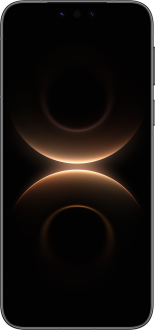
The Huawei Mate 80 Pro offers a premium experience with an exceptional camera and battery, but its software ecosystem and chip performance require careful consideration.
Decision: consider · Match: 79/100 · Confidence: 90/100
How this score is calculated: This score combines two things: the product's absolute hardware level (Qor AI Tech Score 79/100) and how well it fits your quiz answers — weighted 60/40. Product segment: Upper-mid segment. A device that is excellent for its own class still will not reach the score of a higher tier.
The Huawei Mate 80 Pro delivers a high-end smartphone experience, particularly excelling in camera performance, display quality, and battery life. Its robust build and fast charging capabilities further enhance its appeal for users seeking a durable and long-lasting device. However, the absence of Google Mobile Services (GMS) and the performance of its Kirin chipset, while capable for daily tasks, may not satisfy users accustomed to top-tier flagship processors. Buyers should weigh these trade-offs, especially regarding software ecosystem and potential regional 5G limitations, before committing to this otherwise impressive device.
Detailed analysis
The Huawei Mate 80 Pro, announced in November 2025 and globally launched in February 2026, positions itself as a high-end smartphone. It runs on either HarmonyOS 6.0 (China) or EMUI 15 (global), reflecting Huawei's distinct software strategy post-sanctions. The device's design features an aluminum alloy frame and a vegan fiber-reinforced plastic back, providing a premium feel. Performance is driven by the Kirin 9030 or Kirin 9030 Pro chipset, manufactured on a 6nm process. While capable of handling daily tasks and most games smoothly, it does not quite match the raw power of the latest flagship processors from competitors. This means that while users will experience fluid operation, those seeking bleeding-edge benchmark scores or extreme gaming performance might notice a difference. The camera system is a standout feature, leveraging Huawei's XMAGE technology. It includes a versatile 50 MP main camera with a variable aperture, a 48 MP periscope telephoto macro lens, and a 40 MP ultra-wide-angle camera. This setup delivers exceptional image quality, particularly in low light, with accurate colors and impressive zoom capabilities. Video recording is also strong, offering 4K 60fps with high detail. The 6.75-inch LTPO OLED display is another highlight, boasting a 120 Hz refresh rate, FHD+ resolution, and an astonishing peak brightness of up to 8000 nits. Protected by Kunlun Glass 2, the screen offers excellent durability against drops. This combination ensures a vibrant, smooth, and highly resilient visual experience. Battery life is robust, thanks to a 5750 mAh capacity, easily providing a full day of heavy use. The inclusion of 100W wired and 80W wireless fast charging ensures that downtime for recharging is minimal. This makes the Mate 80 Pro a reliable companion for users with demanding schedules. Compatibility and longevity are somewhat mixed. While the hardware is top-tier, the absence of Google Mobile Services (GMS) is a significant hurdle for many global users, requiring alternative app sources. Software updates are provided, but the long-term update policy for EMUI versions remains less clear compared to HarmonyOS in China. Potential risks include the aforementioned GMS absence and regional 5G restrictions reported in some global versions. These factors can impact the overall user experience and connectivity, making it crucial for buyers to understand these limitations before purchase. The Kirin chipset, while efficient, may also be a long-term performance bottleneck compared to future-generation chips from rivals. Buying advice for the Huawei Mate 80 Pro is to prioritize its camera prowess, display quality, and battery life. It is an excellent device for photography enthusiasts and users who value long battery endurance and a premium build. However, those deeply integrated into the Google ecosystem or requiring the absolute peak in processor performance might find it less suitable. Consider alternative solutions for GMS if this device is chosen.
Things that change the decision
Absence of Google Mobile Services (GMS)
The Huawei Mate 80 Pro does not come with pre-installed Google Mobile Services, which is a major limitation for users outside of China. This impacts access to popular apps like Google Maps, YouTube, and the Play Store, requiring workarounds that may not be ideal for all users.
Software Version Discrepancies
There are reported differences in camera application features between the HarmonyOS (China) and EMUI (global) versions of the software. This inconsistency can lead to a varied user experience depending on the device's regional variant.
Kirin Chipset Performance
While capable for daily tasks, the Kirin 9030/9030 Pro chipset, built on 6nm technology, does not match the raw performance of the latest flagship processors from other manufacturers. This might be a concern for power users or mobile gamers seeking the absolute best performance.
5G Restrictions in Global Versions
Some users have reported that 5G functionality is disabled or limited in global versions of the Huawei Mate 80 Pro. This can affect network speeds and connectivity options for users in regions with strong 5G infrastructure.
Feature by feature
| Main Camera | 50 MP (F1.4-F4.0 variable aperture) | The 50 MP main camera with a variable aperture and RYYB sensor excels in capturing detailed, color-accurate photos across various lighting conditions. Its advanced features contribute to a versatile and high-quality imaging experience. |
| Battery Capacity | 5750 mAh | With a substantial 5750 mAh battery, the Mate 80 Pro offers exceptional battery life, often lasting well over a day. This is ideal for users who prioritize longevity between charges. |
| Fast Charging | 100 W wired, 80 W wireless | The 100W wired and 80W wireless charging capabilities ensure the phone can be fully charged rapidly. This is a significant convenience for users with busy lifestyles. |
| Display Type and Refresh Rate | 6.75-inch LTPO OLED, 120 Hz | The LTPO OLED display with a 120 Hz refresh rate delivers incredibly smooth scrolling and animations, alongside vibrant colors and deep blacks. This enhances both media consumption and general navigation. |
| Display Durability | Kunlun Glass 2 | Kunlun Glass 2 significantly improves the screen's drop resistance, offering peace of mind for users concerned about accidental damage. This adds to the device's overall robustness. |
| Water and Dust Resistance | IP6X Dust, IPX9 Water | The IP6X dust and IPX9 water resistance ratings indicate a high level of protection, making the device suitable for use in challenging environments without fear of damage from dust or water exposure. |
| Storage | 512 GB | With 512 GB of internal storage, the Mate 80 Pro offers generous space for even the most demanding users. This eliminates the need for frequent data offloading or cloud reliance. |
| RAM | 16 GB | The 16 GB of RAM ensures excellent multitasking capabilities and smooth performance even with numerous applications running simultaneously. This is crucial for a premium user experience. |
What owners say
Satisfaction: 70/100
Community sentiment for the Huawei Mate 80 Pro is generally positive regarding its hardware capabilities, but significantly tempered by software ecosystem concerns. Users frequently laud the device's camera system, specifically mentioning the XMAGE technology and its ability to capture stunning, true-to-life images, even in challenging lighting conditions. The variable aperture and powerful telephoto macro lens are often cited as key differentiators. Another area of strong positive feedback revolves around the battery life and charging speeds. Owners consistently report excellent endurance, with the 5750 mAh battery comfortably lasting a full day or more for many. The rapid 100W wired and 80W wireless charging capabilities are also highly praised for their convenience, allowing for quick top-ups. The display quality, featuring a 120 Hz LTPO OLED panel with high brightness and Kunlun Glass 2 protection, garners significant approval. Users describe the screen as vibrant, fluid, and remarkably durable, contributing to an immersive viewing experience. The premium build quality and modern design also receive positive mentions, reinforcing the phone's flagship appeal. However, the most prominent negative theme across community discussions is the absence of Google Mobile Services (GMS). This is a widespread concern, particularly for users in Western markets, who find the lack of direct access to Google apps and the Play Store to be a significant inconvenience. While some users manage with workarounds, it remains a major point of friction. Opinions on the Kirin chipset's performance are more neutral. While it delivers a smooth experience for everyday use and most applications, some power users and gamers acknowledge that it doesn't quite match the raw processing power of competing flagship chips. This leads to a perception that while adequate, it's not class-leading. Finally, software experience differences between HarmonyOS and EMUI versions, especially concerning camera features, and general uncertainty about the consistency and longevity of EMUI updates, contribute to some negative sentiment. These software-related issues, combined with the GMS absence, are the primary factors preventing higher overall satisfaction.
What owners keep praising
- XMAGE Camera System
Owners consistently highlight the XMAGE camera system for its exceptional photo quality, accurate color reproduction, and versatile shooting modes, including impressive low-light performance and telephoto macro capabilities. - Long Battery Life and Fast Charging
The extensive battery life, often lasting a full day or more, combined with very fast 100W wired and 80W wireless charging, is a frequently praised convenience for users. - Vibrant and Fluid Display
The 6.75-inch LTPO OLED display with a 120 Hz refresh rate is loved for its vibrant colors, smooth animations, high brightness, and the added durability of Kunlun Glass 2. - Premium Build Quality
Users appreciate the phone's premium materials, modern design, and robust construction, including its high IP68/IP69 water and dust resistance ratings.
Chronic problems
- Google Mobile Services (GMS) Absence widespread
The lack of pre-installed Google Mobile Services is a persistent issue, forcing users to rely on alternative app stores or complex workarounds, which can degrade the user experience significantly. - 5G Restrictions in Global Versions occasional
Some users of global versions have experienced limitations or disabled 5G functionality, which can impact network performance and access to faster mobile data speeds.
Smart alternatives
- Redmi K100 Pro — The Redmi K100 Pro offers a significantly larger 8580 mAh battery and a higher resolution 200 MP main camera, potentially providing longer endurance and more detailed photos. Its CPU frequency is also notably higher, suggesting stronger raw performance. However, it may not match the Huawei Mate 80 Pro's advanced XMAGE imaging system or its premium build materials.
- Huawei Nova 16 Pro — The Huawei Nova 16 Pro features a 200 MP main camera and a larger 7000 mAh battery, potentially offering more detailed images and longer usage than the Mate 80 Pro. It also comes at a significantly lower price point, making it a more budget-friendly option. While it shares the Huawei ecosystem, it might not have the same flagship-tier chipset or display technology.
- Lenovo Legion Y70 — The Lenovo Legion Y70 boasts an even larger 8000 mAh battery and a higher CPU frequency, indicating superior endurance and processing power, especially for gaming. It is also a heavier device, reflecting its focus on performance and battery. While its camera is 50 MP like the Mate 80 Pro, its imaging system may not be as advanced.
Price outlook
Trend: stable · Buy or wait: buy · Best time to buy: Currently, or wait for potential year-end sales
The Huawei Mate 80 Pro, having been globally launched in February 2026, is still relatively new in the market. This typically means prices tend to remain stable, as manufacturers aim to maintain initial pricing for a significant period post-launch. Huawei's premium positioning for its Mate series also contributes to a stable price trend, with less aggressive discounting compared to other segments. Devices in this segment often experience minor price adjustments based on regional demand or specific retailer promotions, rather than sharp drops. Buyers should not expect significant price reductions in the short to medium term. Component costs for the Kirin 9030/9030 Pro chipset, while not at the absolute cutting edge, are likely stable, contributing to consistent manufacturing costs. This further supports a stable price outlook, as there's no immediate pressure from rapidly depreciating component values. Considering its announcement in November 2025, a direct successor is unlikely to be released before late 2026 or early 2027. The absence of an imminent new model reduces the incentive for Huawei or retailers to clear stock through substantial price cuts. Therefore, the current period is as good a time as any to purchase. Potential minor price fluctuations might occur during major seasonal sales events, such as year-end holidays or specific shopping festivals. However, these are expected to be modest discounts rather than significant price revisions. For those considering the Huawei Mate 80 Pro, buying now or during a minor promotional period is advisable, as waiting for a substantial price drop is unlikely to yield better results.
Frequently asked questions
How is the Huawei Mate 80 Pro's camera performance?
The Huawei Mate 80 Pro's 50 MP main camera with the XMAGE imaging system, variable aperture, and RYYB sensor delivers exceptional photo and video quality, even in low light. Color accuracy and detail are highly impressive.
What is the battery life of the Mate 80 Pro?
With a 5750 mAh battery, the device comfortably lasts a full day even with intensive use, and for some users, it might extend to two days. It also supports 100W wired and 80W wireless fast charging for quick recharges.
Does the Huawei Mate 80 Pro have Google apps?
No, the Huawei Mate 80 Pro comes without Google Mobile Services (GMS). This creates limitations for users, especially in Western markets, regarding access to essential Google apps like Gmail, Maps, and the Play Store.
What is the display quality and durability of the Mate 80 Pro?
The 6.75-inch LTPO OLED display offers vibrant colors and a fluid visual experience with a 120 Hz refresh rate and 8000 nits peak brightness. Kunlun Glass 2 protection significantly enhances drop resistance, providing high durability.
Is the Huawei Mate 80 Pro suitable for gaming?
The Kirin 9030 chipset provides a smooth experience for daily use and most games, but it may lag behind the raw performance of top-tier rival chipsets. It might not fully meet expectations for the most demanding games.