
Meta Quest 3S Review: Is It Worth the Price?
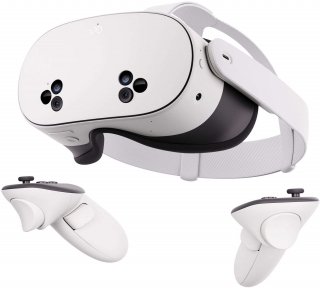
The Meta Quest 3S offers a strong entry into standalone VR with solid performance and mixed reality capabilities at a competitive price, making it a compelling option for budget-conscious users.
Decision: consider · Match: 82/100 · Confidence: 90/100
How this score is calculated: This score combines two things: the product's absolute hardware level (Qor AI Tech Score 85/100) and how well it fits your quiz answers — weighted 60/40. Product segment: Upper-mid segment. A device that is excellent for its own class still will not reach the score of a higher tier.
This VR headset delivers robust performance for its segment, leveraging the same powerful Snapdragon XR2 Gen 2 chipset as its premium sibling, the Quest 3. While it makes some compromises in display quality and storage expandability to achieve its attractive price point, its comfortable design and enhanced mixed reality features provide a compelling experience. It is particularly well-suited for users seeking an accessible yet capable VR and AR device without the full investment of higher-end models. Buyers should weigh the trade-offs in visual fidelity and internal storage against the overall value proposition.
Detailed analysis
The Meta Quest 3S is positioned as an accessible entry point into Meta's third generation of standalone VR headsets, launched in October 2024. It leverages the powerful Qualcomm Snapdragon XR2 Gen 2 chipset, offering a significant performance upgrade over the Quest 2 and matching the core processing power of the more premium Quest 3. This ensures a smooth and responsive experience across a wide range of VR applications and games. Performance is a key strength, with the Snapdragon XR2 Gen 2 providing double the GPU processing power compared to the Quest 2. This translates to faster loading times, higher frame rates, and more detailed graphics in VR titles. The 8 GB of LPDDR4X RAM further supports multitasking and complex scenes, enhancing the overall fluidity of the user experience. While the Quest 3S excels in processing power, it makes strategic compromises in display technology to achieve its lower price point. It features LCD panels with a resolution of 1832x1920 per eye and uses Fresnel lenses, which some users report can lead to a 'screen-door effect' compared to the Quest 3's pancake lenses. The refresh rate is adjustable up to 120Hz, ensuring smooth motion, though it lacks the 240Hz option of the Quest 3. The mixed reality capabilities are a notable feature, incorporating two full-color RGB cameras that offer 4.5 times better passthrough resolution than the Quest 2. This allows for immersive augmented reality experiences, although the absence of a depth sensor means the AR view might be less refined than on the Quest 3. Hand tracking and 6DOF head tracking are standard, providing intuitive interaction. Ergonomically, the Quest 3S is designed for comfort, weighing 514 grams and being 20% thinner than the Quest 2. It includes an adjustable soft strap and a glasses spacer, accommodating a wider range of users. The IPD adjustment offers three fixed positions, which is less precise than the continuous adjustment found in higher-end models but still functional for most. Connectivity options are modern, including Wi-Fi 6E for fast wireless performance and Bluetooth 5.2 for accessories. A USB-Type-C port is available for charging and data transfer. However, the absence of a 3.5mm AUX audio output means users must rely on the built-in speakers or use USB-C compatible headphones or adapters. Storage is a consideration, with the 256 GB model offering a decent amount of space, but it is not expandable. Users with extensive game libraries might find this limiting over time, requiring periodic management of installed content. The included Touch Plus controllers provide precise input for most VR interactions. For buyers, the Meta Quest 3S represents a strong value proposition, delivering high-performance VR and AR experiences at a more accessible price. It's an excellent choice for those new to VR or looking to upgrade from older standalone headsets without committing to the premium cost of the Quest 3. However, users prioritizing the absolute best visual fidelity or extensive internal storage might need to consider the trade-offs.
Strengths
- Equipped with the powerful Qualcomm Snapdragon XR2 Gen 2 chipset, delivering robust performance for VR applications.
- Offers enhanced full-color passthrough cameras for engaging mixed reality experiences, a significant upgrade from Quest 2.
- Features a lighter and thinner design (514g, 20% thinner than Quest 2) for improved comfort during prolonged use.
- Supports a 120Hz refresh rate, ensuring smooth and fluid visuals to minimize motion sickness.
- Provides a comprehensive standalone VR experience, eliminating the need for external PCs or consoles.
- Includes Wi-Fi 6E connectivity for fast, low-latency wireless streaming and online gameplay.
Weaknesses
- Utilizes Fresnel lenses and a lower resolution display (1832x1920 per eye) compared to Quest 3, potentially leading to a 'screen-door effect'.
- Internal storage is non-expandable, with the 256 GB model potentially limiting for users with large game libraries.
- Lacks a dedicated 3.5mm AUX audio output, requiring USB-C headphones or an adapter for wired private audio.
- The IPD adjustment is limited to 3 fixed positions, offering less precision than continuous adjustment mechanisms.
- Does not include a depth sensor for mixed reality, which can result in a less refined AR experience compared to Quest 3.
Things that change the decision
Internal storage limitations
With 256 GB of non-expandable internal storage, users may find themselves frequently managing installed games and applications, especially with the increasing size of VR titles. This limitation could become a bottleneck for avid gamers or content creators.
Software update issues
Some owners have encountered problems during initial setup or subsequent software updates, including freezing or devices becoming unresponsive. While Meta provides solutions, this can be a frustrating experience for new users.
Feature by feature
| Chipset | Qualcomm Snapdragon XR2 (Gen 2) | The Snapdragon XR2 Gen 2 offers a substantial performance boost, ensuring the headset can handle complex VR environments and fast-paced games. This is a key advantage for a standalone device. |
| Refresh rate | 120 Hz | Supporting up to 120Hz refresh rate, the Meta Quest 3S provides smooth motion, which is crucial for preventing discomfort during VR sessions. This high refresh rate enhances the overall visual fluidity. |
| Storage | 256 GB | While 256 GB is adequate for a starting library, the lack of expandability means users with many large titles may find it restrictive over time. Careful content management will be necessary for some. |
| Cameras | 2x Karma Gerçeklik Camerası 4x İzleme Camerası | The multiple cameras enable full-color passthrough for mixed reality and precise 6DOF tracking, offering a strong foundation for both VR and AR content. This enhances interaction with the real world. |
| Device Weight | 514 g | At 514 grams, the headset is relatively light, contributing significantly to user comfort during long VR sessions. This design choice minimizes strain on the head and neck. |
| Wi-Fi | Wi-Fi 6E (802.11axe) | Wi-Fi 6E support ensures high bandwidth and low latency, which is essential for wireless PC VR streaming and online multiplayer games. This provides a robust connection for all VR activities. |
| Standalone Operation | Yes | Its standalone capability is a major draw, offering unparalleled freedom and portability for VR experiences. Users can dive into virtual worlds without the need for additional hardware. |
| Adjustable IPD | Ayarlanabilir | The adjustable IPD helps users align the lenses with their eye distance, improving visual clarity and reducing eye strain. However, the 3-position adjustment is less precise than continuous adjustment found on some models. |
What owners say
Satisfaction: 75/100
Community sentiment for the Meta Quest 3S is generally positive, with a strong emphasis on its value proposition. Many users feel that the headset delivers a compelling VR and AR experience given its price, especially appreciating the powerful Snapdragon XR2 Gen 2 processor which ensures smooth performance across various applications. The enhanced mixed reality capabilities, featuring full-color passthrough, are also a significant highlight, allowing for engaging interactions between virtual and real environments. However, opinions diverge when it comes to visual fidelity. A notable segment of the community expresses concerns about the screen quality and the use of Fresnel lenses, which can lead to a 'screen-door effect' and a less sharp image compared to the Meta Quest 3. This is a common trade-off for its price point, but it's a point of contention for users prioritizing immersive visuals. Storage is another area where user feedback is mixed, leaning towards negative. The fixed 256GB internal storage, while adequate for casual users, is frequently cited as a limitation for avid gamers who accumulate large VR titles. The lack of an expansion slot means users must actively manage their installed content, which can be inconvenient. Comfort and ergonomics receive widespread praise, with many owners noting the lighter and thinner design as a substantial improvement over previous models. This contributes to a more enjoyable experience during extended play sessions. The adjustable strap and glasses spacer are also appreciated for accommodating different users. Despite the overall positive reception, a recurring issue involves software updates. Some users have reported difficulties during initial setup or subsequent updates, including instances of the device freezing or becoming unresponsive. While Meta has provided solutions, these experiences can be frustrating and impact the initial impression of the product.
What owners keep praising
- Powerful Processor Performance
Owners frequently praise the Snapdragon XR2 Gen 2 chipset for delivering fast loading times and fluid gameplay, making VR experiences highly responsive and enjoyable. - Advanced Mixed Reality
The full-color passthrough cameras are consistently highlighted for providing an impressive mixed reality experience, allowing seamless blending of virtual content with the real world. - Comfortable and Lightweight Design
Many users appreciate the headset's ergonomic design, noting its lighter weight and thinner profile contribute significantly to comfort during long periods of use. - Price/Performance Ratio
The Meta Quest 3S is widely lauded for offering exceptional value, providing high-end VR features and performance at a more accessible price point than competitors.
Chronic problems
- Software Update Errors common
Reports indicate that some units experience freezing, boot loops, or failure to power on during initial setup or software updates. Meta has offered PC-based update tools and, in some cases, free replacements.
Smart alternatives
- Meta Quest 3 512GB — The Meta Quest 3 512GB offers significantly more internal storage and superior visual fidelity with higher resolution displays and pancake lenses, reducing the 'screen-door effect'. However, it comes at a higher price point than the Quest 3S.
- Meta Quest 3 128GB — This model provides the same higher resolution and pancake lenses as the 512GB Quest 3, offering better visual clarity than the Quest 3S, but with less storage. It represents a middle ground in terms of price and features.
- Pico 4 128G — The Pico 4 offers a higher resolution display and pancake lenses for superior visual clarity, along with a lighter front-heavy design. It typically competes in a similar price segment but has a smaller content library compared to Meta's ecosystem.
Price outlook
Trend: stable · Buy or wait: watch · Best time to buy: Late Q4 2026 / Early Q1 2027 (holiday sales)
The Meta Quest 3S, having launched in October 2024, is still a relatively new product in the VR headset market. This typically means its price tends to remain stable as manufacturers aim to recoup development costs and establish market presence. Demand for entry-level and mid-range standalone VR headsets remains robust, driven by increasing consumer interest in immersive gaming and mixed reality experiences. This sustained demand helps to stabilize prices, as retailers face less pressure to offer steep discounts. The competitive landscape, with products like the Pico 4, also encourages Meta to maintain a strategic price point to attract budget-conscious buyers. Component costs, particularly for the Qualcomm Snapdragon XR2 Gen 2 chipset, are currently stable, which contributes to the predictability of the Meta Quest 3S's retail price. Unless there are significant shifts in supply chain dynamics or manufacturing expenses, major price adjustments from the manufacturer are unlikely in the short term. This stability provides a predictable market environment for consumers. While significant price drops are not anticipated in the immediate future, consumers might see minor fluctuations or promotional bundles around major shopping holidays. The late Q4 2026 to early Q1 2027 period, coinciding with holiday sales events, could present opportunities for modest discounts or value-added packages from retailers. These are typically short-lived promotions rather than permanent price reductions. Given these factors, the recommendation is to 'watch' the market. While there's no urgent need to buy immediately, keeping an eye on upcoming holiday sales could yield small savings or bundled offers. Waiting for a successor model is not advisable as the Quest 3S is still relatively new and expected to have a long product cycle.
Who is it for?
Buy it if: This headset is perfect for new VR users or those upgrading from older standalone models who want strong performance and mixed reality features without the premium price (Performance 90, Price-performance 85). It's also ideal for users prioritizing comfort and portability for diverse VR and AR applications (Ergonomics and portability 88, Usage fit 85).
Skip it if: It is not ideal for users who demand the highest visual fidelity and sharpness in VR, due to its Fresnel lenses and lower display resolution compared to premium models (Display quality and lens technology critical point). It's also less suitable for users with extensive game libraries who require expandable storage (Internal storage limitations critical point).
Verdict
The Meta Quest 3S stands out as a highly capable and value-driven standalone VR headset, delivering a compelling blend of performance and mixed reality features. While it makes thoughtful compromises in display and storage to hit an attractive price point, its core experience remains robust. It's an excellent choice for a broad audience seeking an accessible yet powerful entry into the world of virtual and augmented reality.
Frequently asked questions
How is the Meta Quest 3S's performance?
The Meta Quest 3S delivers powerful processing performance similar to the Meta Quest 3, thanks to its Qualcomm Snapdragon XR2 Gen 2 chipset and 8 GB of RAM. This ensures smooth VR games and mixed reality applications.
What about the screen quality and lenses?
The device uses Fresnel lenses instead of the pancake lenses found in the Quest 3 and features lower-resolution displays. This might result in a 'screen door effect' and a less sharp visual experience for some users.
Is the storage space sufficient?
The internal storage cannot be expanded, and while the 256 GB model may be sufficient for most users, it could be limiting for those with a large library of VR games. There is no external storage support.
What are its mixed reality features?
The Meta Quest 3S offers enhanced mixed reality experiences with full-color passthrough cameras, providing 4.5 times better resolution than the Quest 2. This is a significant step for applications blending the real and virtual worlds.
What is the battery life like?
The device has an average battery life of 2.5 hours. This duration may not be sufficient for long gaming sessions and might necessitate an external power bank.