
📅 July 7, 2026
The Best Camera Phones of 2026
We went beyond lab scores: comparing 2026's six best camera phones using real user experiences and long-term daily-use impressions.
Mobile photography in 2026 has moved past the pure megapixel race and into a more mature phase focused on real-world usage. Lab benchmarks like DxOMark are still a useful reference, but what actually determines whether a phone's camera is good comes down to how consistently auto mode performs day to day, whether detail holds up in low light despite hand shake, and whether AI-powered zoom modes produce real detail or simply invented pixels. For this list, we've gathered 2026's six best camera phones by looking not just at spec sheets, but at what photographers, tech journalists, and everyday users have reported after weeks of actual use.
 ₺141.499
The iPhone 17 Pro Max currently holds the top spot in independent lab camera scores, and much of that comes down to how seamlessly its three lenses work together. The most praised aspect in user experience is how little color and exposure jump when switching between 1x and 8x — one reviewer summed it up as "wild that they pull this off with three different sensors, essentially invisible to the average user." The crop-zoom option reaching up to 200mm has been called "far better than it has any right to be," with some photographers citing it as reason enough on its own to upgrade.
Real-world use also surfaces some inconsistencies, though: several reports note the telephoto lens doesn't show a meaningful jump in low light compared to the previous generation, and in some comparisons the older model even edges it out slightly. A tendency to over-smooth skin tones in portrait mode and keep bright areas unnaturally warm and saturated is also a recurring criticism. Still, thanks to steady stabilization that suppresses shake and natural color rendering in video, the iPhone 17 Pro Max remains one of the most dependable choices for anyone who wants both photo and video covered.

The Galaxy S26 Ultra's biggest strength isn't being the best at any single thing — it's being "well above average" across nearly every condition. One reviewer who carried the phone alongside several rivals for weeks summed it up as: "it might not always be the best in any one specific area, but overall, its images are often considered the best median result," with natural color, consistent exposure, and fine detail balance repeatedly singled out. Night mode also remains one of the industry's strongest, delivering punchy, vivid results straight out of the camera.
That said, a recurring criticism in user experience is that the hardware hasn't taken a major leap in years, leading some reviewers to call this generation "refinement, not a leap." The advertised 100x digital zoom is often disappointing in practice — there are documented examples of distant text becoming unreadable as AI "reinterprets" objects rather than capturing them. Users chasing shallow depth-of-field in portrait mode also report the phone sometimes struggles to read what they're going for. Even so, for anyone who values day-to-day consistency and wants to explore the rich manual toolset (Expert RAW, Log recording), the S26 Ultra remains one of the safest picks.
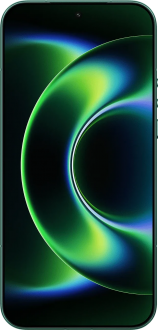
The Xiaomi 17 Ultra, co-developed with Leica, turns its 1-inch main sensor and signature "Leica Authentic / Leica Vibrant" color profiles into what feels like a nearly standalone photography experience. A recurring phrase in long-term reviews is that images feel "genuinely photographic," with the large sensor providing a clear edge specifically in low light. One photo editor who tested the phone across weeks and multiple locations in China called it "one of the rare phones that made me forget I was carrying an actual camera."
That said, the same real-world testing points to some inconsistencies: color and white balance differences between the main and telephoto lenses show up occasionally, which some reviewers say keeps them from fully trusting the camera system. The mechanical 75–100mm zoom range is technically impressive, but several reviewers note the 25mm difference doesn't feel as "transformative" in daily use as expected, and macro shooting has taken a slight step back from the previous generation. Even so, the Leica-tuned color science and night performance make the Xiaomi 17 Ultra one of the most distinctive picks on this list for anyone serious about mobile photography.
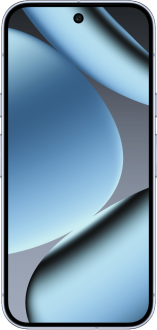
The Google Pixel 10 Pro's biggest strength isn't hardware — it's how effortlessly you can use the camera without thinking about it. One long-term review summed it up as being able to "easily get a great photo... no matter the weather, lighting, or what you're taking a picture of," with natural bokeh and soft background transitions consistently praised. Forum comments echo the same pattern, with users describing it as "still my favorite phone for everyday photos, one I never put down."
Real-world use, though, shows that some of the marketed features fall short of expectations: the 100x AI-powered "Pro Res Zoom" often produces "laughable" results in practice — text on distant buildings turns to gibberish as AI reinterprets objects rather than capturing them accurately. Some users also note images feel a bit "flatter" and less contrasty compared to earlier generations. It's also worth noting the camera hardware is essentially unchanged from the previous generation. Still, for anyone who wants consistent, natural, "right the first time" results in daily use, the Pixel 10 Pro remains one of the most comfortable choices out there.
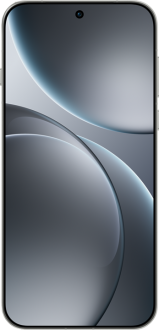
What sets the Oppo Find X9 Pro apart is that its 200MP Hasselblad-tuned sensor sits on the periscope telephoto lens rather than the main camera — precisely the area where phones usually perform worst: distance shooting. One review that tested it extensively for business use cases called it "the best phone telephoto on the market right now," noting that Hasselblad's color science delivers usable, edit-free results especially for product and property photography. User feedback also highlights clean, balanced results in low-light night shooting.
The most common criticism in real-world use, though, is that AI processing gets aggressive at higher zoom levels (beyond 10x), with edges turning artificially soft — one review put it as "hard to tell whether it's genuinely reconstructing detail or just adding it." The 50MP main camera is also seen as a disadvantage at 1x compared to rivals like Samsung with a 200MP main sensor. Still, for anyone who prioritizes distance clarity and prefers Hasselblad's natural color approach, the Oppo Find X9 Pro is a well-rounded and distinctive pick.

The Vivo X300 Ultra offers the boldest "modular camera system" concept on this list, built around a massive 1/1.12-inch main sensor and optional ZEISS telephoto attachments. Its detachable 400mm-equivalent teleconverter delivers roughly 17x zoom at full optical quality — a feature still unmatched in the mobile space. Vivo's Ultra line had stayed China-exclusive for years, and this generation marks its first genuinely global rollout, with videography-first features (4K/120fps Log recording, XPan-style cinematic mode) earning praise from content creators.
The biggest downside of the modular lens system is practicality: you need to carry the add-on teleconverter with you, which some reviewers note isn't "always convenient" for daily use. The phone also isn't officially sold in some major markets like the US and UK, limiting its accessibility compared to global rivals, and it sits at the very top of the price spectrum. Still, for anyone chasing the closest thing to a real optical system in a phone and willing to carry a modular camera kit, the Vivo X300 Ultra is 2026's most creative camera phone.
Choosing a camera phone in 2026 no longer points to a single "best" model — each one caters to a different way of shooting. For overall consistency and zoom power, the iPhone 17 Pro Max and Samsung Galaxy S26 Ultra remain the safest bets; anyone chasing a true camera feel will find that in the Xiaomi 17 Ultra's 1-inch sensor and Leica color science. Those who want to point, shoot, and not think about it should look at the Google Pixel 10 Pro; anyone who prioritizes distance clarity can turn to the Oppo Find X9 Pro, while those who want to turn mobile photography into a real optical system should consider the Vivo X300 Ultra. When deciding, weighing what real users report after weeks of use is just as valuable as lab scores — it's the best way to close the gap between expectations and actual performance.
Frequently asked questions
Which camera phones are considered the most reliable for overall consistency and zoom capabilities in 2026?
For overall consistency and zoom power, the Apple iPhone 17 Pro Max and Samsung Galaxy S26 Ultra remain the safest bets among the top camera phones of 2026. These models are known for their dependable performance in various shooting conditions.
Which 2026 camera phone is recommended for users who prefer a more traditional camera feel?
Users who are looking for a true camera feel in a smartphone should consider the Xiaomi 17 Ultra. This phone stands out due to its 1-inch sensor and Leica color science, which contribute to a more professional photography experience.
What should users prioritize when choosing a camera phone in 2026, beyond just specifications?
When choosing a camera phone in 2026, users should prioritize real-world usage reports from photographers, tech journalists, and everyday users after weeks of actual use. This approach helps determine how consistently auto mode performs, how detail holds up in low light, and the quality of AI-powered zoom modes, closing the gap between expectations and actual performance.
Which camera phone is best suited for users who want to simply point and shoot without extensive adjustments?
For users who prefer a straightforward photography experience where they can simply point, shoot, and not have to think about settings, the Google Pixel 10 Pro is the recommended choice. It is designed for ease of use and consistent results.