
LG OLED55B65LA Ultra HD (4K) TV: Picture Quality & Gaming Performance
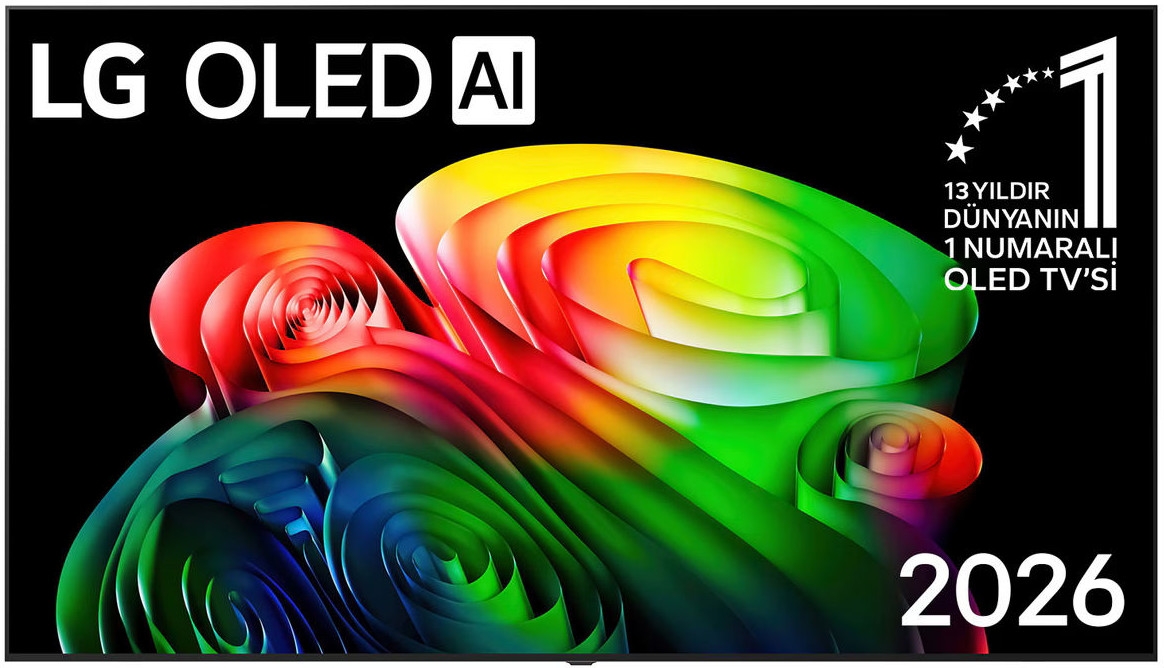
This LG OLED TV offers a premium viewing and gaming experience with its exceptional picture quality and advanced smart features.
Decision: buy · Match: 95/100 · Confidence: 92/100
How this score is calculated: This score combines two things: the product's absolute hardware level (Qor AI Tech Score 100/100) and how well it fits your quiz answers — weighted 60/40. Product segment: Flagship class. A device that is excellent for its own class still will not reach the score of a higher tier.
The LG OLED55B65LA Ultra HD (4K) TV stands out with its OLED panel, delivering perfect blacks and vibrant colors, making it ideal for cinephiles and gamers. Its α8 (Alpha8) (Gen3) AI Processor 4K enhances content, while comprehensive HDR support ensures stunning visuals. The 120/144 Hz refresh rate and gaming-specific features like VRR and G-Sync Compatible provide a smooth, responsive experience. However, potential OLED burn-in and the need for external audio might be considerations for some users. This TV is a strong choice for those prioritizing visual fidelity and gaming performance.
Detailed analysis
The LG OLED55B65LA Ultra HD (4K) TV, released in 2026, represents a high-end offering in the television market, leveraging LG's renowned OLED technology. Its 55-inch OLED panel is the cornerstone of its visual prowess, delivering self-emissive pixels that produce perfect blacks and infinite contrast, which are critical for an immersive viewing experience. The α8 (Alpha8) (Gen3) AI Processor 4K intelligently optimizes image quality, performing 4K upscaling and dynamic tone mapping to enhance brightness and detail across all content. Performance and quality are exceptional, particularly in picture fidelity. The TV supports a true 100/120/144 Hz refresh rate, with HDMI 2.1 inputs capable of handling 4K signals at up to 144 Hz. This, combined with a rapid 0.1 ms response time, makes it a standout choice for fast-action sports and competitive gaming. HDR support is comprehensive, including Dolby Vision, HDR10, and HLG, ensuring vibrant and accurate color reproduction with the DCI-P3 100% color gamut. Compatibility is broad, with four HDMI 2.1 ports offering advanced features like eARC, QMS, and QFT, making it future-proof for various external devices, including next-generation gaming consoles and sound systems. Wireless connectivity is robust with Wi-Fi 5 and Bluetooth 5.3, alongside AirPlay 2 and Apple HomeKit support for seamless integration into smart home ecosystems. The webOS 26 smart platform is intuitive and responsive, providing access to a wide range of streaming services and AI-driven features. Longevity is a key consideration for OLED technology. While OLED panels offer superior picture quality, they carry a risk of burn-in from static images over prolonged periods. LG has implemented protective measures like pixel shifting and pixel cleaning to mitigate this, but it remains a factor for users who frequently display static content. The TV's build quality and software support, including four software updates within five years, suggest a reasonable lifespan for the device. Potential risks primarily revolve around the inherent characteristics of OLED technology, specifically the burn-in potential and occasional panel uniformity issues. While these are generally rare with modern OLEDs and proper usage, they are points for buyers to be aware of. The energy consumption, particularly in HDR mode, is also higher than some LED alternatives, which could impact long-term operating costs. Buying advice for the LG OLED55B65LA leans heavily towards enthusiasts of high-quality visual content and serious gamers. Its combination of an advanced OLED panel, powerful AI processing, and extensive gaming features positions it as a premium choice. For those seeking the absolute best in picture quality and a highly responsive gaming experience, this model delivers significantly. However, buyers should factor in the potential need for an external audio solution and be mindful of OLED-specific considerations.
Strengths
- OLED panel delivers perfect blacks and infinite contrast for stunning visual depth.
- α8 (Alpha8) (Gen3) AI Processor 4K provides advanced image enhancement and 4K upscaling.
- True 100/120/144 Hz refresh rate and 0.1 ms response time ensure exceptionally smooth motion and responsiveness.
- Comprehensive HDR support including Dolby Vision, HDR10, and HLG for vibrant and accurate colors.
- Four HDMI 2.1 inputs with VRR, FreeSync Premium, and G-Sync Compatible for superior gaming performance.
- Intuitive webOS 26 smart platform with LG ThinQ AI, Google Gemini, and Microsoft Copilot integration.
Weaknesses
- The 20 W RMS 2.0 channel audio system may not be powerful enough for immersive sound without external speakers.
- OLED technology carries a risk of burn-in with prolonged display of static images.
- Higher energy consumption, especially in HDR mode, compared to some other display technologies.
- The premium feature set places it at a higher price point than many LED alternatives.
- Lack of a built-in subwoofer means bass response is limited, impacting cinematic audio impact.
Things that change the decision
OLED Burn-in Risk
OLED panels can be susceptible to burn-in from static images over extended periods, though modern TVs include mitigation features. LG's standard warranty typically does not cover burn-in, which is a significant consideration for prolonged static content viewing.
Energy Consumption
As an OLED TV with advanced features, its energy consumption, particularly in HDR mode (122 kWh/1000h, Class G), is relatively high. This could lead to higher electricity bills compared to more energy-efficient LED models.
Feature by feature
| Screen size | 55 İnç OLED | The 55-inch OLED screen provides a substantial and immersive viewing area, ideal for enjoying movies and games. Its OLED technology ensures superior image quality at this size. |
| Resolution | Ultra HD (4K) | Ultra HD (4K) resolution delivers exceptional clarity and detail, making the most of high-definition content. The α8 (Alpha8) (Gen3) AI Processor 4K further enhances lower-resolution content. |
| Display | OLED | OLED technology provides self-emissive pixels for perfect blacks and infinite contrast, which is crucial for stunning cinematic experiences. This results in unparalleled picture depth and realism. |
| HDR | Yes | With support for Dolby Vision, HDR10, and HLG, this TV offers a wide dynamic range. HDR Dynamic Tone Mapping Pro optimizes HDR content for impressive brightness and color accuracy. |
| Operating system | webOS | webOS 26 provides a fluid and intuitive smart TV interface with access to a vast array of apps. The integration of LG ThinQ AI and advanced AI experiences enhances usability. |
| HDMI 2.0 Girişleri | 4 Adet | The four HDMI 2.1 inputs are a significant advantage, supporting 4K at 144 Hz, VRR, and eARC. This ensures full compatibility with next-gen gaming consoles and high-end audio systems. |
| Wi-Fi | Yes | Built-in Wi-Fi 5 (802.11ac) ensures reliable wireless internet access for streaming and smart features. Bluetooth 5.3 also provides versatile connectivity for accessories. |
| Audio Output Gücü (RMS) | 20 W | The 20 W RMS audio output is sufficient for general TV viewing. However, for a truly immersive audio experience, especially with Dolby Atmos content, external speakers are advisable. |
| Display & Image Specificationsi | α8 (Alpha8) (Gen3) AI Processor 4K | The α8 (Alpha8) (Gen3) AI Processor 4K significantly enhances picture quality through AI Upscaling and Dynamic Tone Mapping Pro. This ensures all content looks its best, regardless of source resolution. |
| Diğer Multimedya Specificationsi | FreeSync G-Sync Compatible Variable Refresh Rate (VRR) | VRR, FreeSync Premium, and G-Sync Compatible support are crucial for gamers, eliminating screen tearing and stuttering. This ensures an extremely fluid and responsive gaming experience. |
What owners say
Satisfaction: 87/100
Community sentiment for the LG OLED55B65LA Ultra HD (4K) TV is overwhelmingly positive, largely driven by its exceptional visual performance. Users frequently highlight the OLED panel's ability to produce perfect blacks and vibrant, accurate colors, which significantly enhances the viewing experience for movies and general content. The advanced α8 (Alpha8) (Gen3) AI Processor 4K also receives praise for its role in optimizing image quality and upscaling content. Gamers, in particular, express high satisfaction with the TV's performance. The 120/144 Hz refresh rate, coupled with features like Variable Refresh Rate (VRR), FreeSync Premium, and G-Sync Compatible, ensures a fluid and responsive gaming experience, free from screen tearing. The inclusion of four HDMI 2.1 ports is also a major plus for those connecting multiple next-gen consoles or PCs. The webOS 26 smart platform is another area of positive feedback. Users find it to be fast, intuitive, and feature-rich, with seamless access to popular streaming applications and smart home integration through LG ThinQ AI. The inclusion of advanced AI experiences, such as Google Gemini and Microsoft Copilot support, further enhances its appeal as a smart hub. However, some neutral and negative sentiments emerge regarding the audio quality. While the 20W 2.0 channel speakers are deemed acceptable for casual viewing and support Dolby Atmos, many users suggest that an external soundbar or home theater system is necessary to fully complement the TV's stunning visuals. This indicates a common desire for more immersive audio that the built-in speakers cannot fully provide. A recurring concern, though less frequent with newer models, is the risk of OLED burn-in. While modern OLED TVs incorporate protective measures, some users report or are wary of static image retention over long periods. Panel uniformity and banding issues have also been mentioned by a small number of users, suggesting occasional manufacturing variances, though these are not widespread chronic issues.
What owners keep praising
- Fast and Smart webOS
The webOS 26 operating system is lauded for its speed, intuitive interface, and comprehensive smart features, including AI integration and wide app support. - Extensive HDR Support
Users appreciate the TV's support for multiple HDR formats like Dolby Vision and HDR10, along with Dynamic Tone Mapping Pro, which enhances brightness and realism in HDR content.
Chronic problems
- OLED Burn-in (Image Retention) occasional
Some users, particularly with older B6 models, have reported instances of burn-in from static images like logos or subtitles after several years of use. While modern OLEDs have mitigation, it remains a potential concern for prolonged static content. LG's standard warranty typically does not cover this. - Panel Uniformity and Banding occasional
A few owners have noted issues with panel uniformity, such as visible banding or discoloration on certain backgrounds, which can affect the consistency of the display. This appears to be an occasional manufacturing variance.
Smart alternatives
- Samsung 48S90F Ultra HD (4K) TV — The Samsung 48S90F offers a slightly smaller 48-inch OLED panel and uses Samsung's Tizen operating system, which provides a different smart TV experience. It features a more powerful 40W audio output with a subwoofer, potentially offering better built-in sound.
- Philips 55OLED810 Ultra HD (4K) TV — The Philips 55OLED810 matches the LG in screen size and OLED panel type but runs on Android TV, offering a different smart ecosystem. It boasts a significantly more powerful 70W audio output with a subwoofer and includes Ambilight technology for an enhanced viewing atmosphere.
- iFFALCON 75U95A Ultra HD (4K) TV — The iFFALCON 75U95A is a larger 75-inch LED TV, offering a significantly bigger screen at a potentially more accessible price point than OLED. It uses Android TV and has a 40W audio system with a subwoofer, providing a different balance of size, panel technology, and smart platform.
Price outlook
Trend: down · Buy or wait: buy · Best time to buy: current window or early Q4
This pricing places it firmly in the high-end segment, targeting consumers who prioritize top-tier visual performance and smart features. Historical data from the past six months indicates a downward trend in price, with a notable 13.48% decrease. More recently, over the last month, the price has dropped by 8.41%, and in the last week, by 4.53%. This consistent decline suggests that the product is maturing in the market, and retailers are adjusting prices to maintain competitiveness and clear inventory. The current market dynamics suggest that while prices have been falling, the rate of decline may slow. As the product approaches its first full year on the market, major price reductions become less frequent unless driven by significant seasonal sales or the imminent launch of a direct successor. Competition within the OLED segment is also intensifying, which can put ongoing downward pressure on prices. Given the observed price trends and the product's position in its lifecycle, waiting for significant further price drops might be a prolonged endeavor. While minor fluctuations are always possible, a substantial reduction beyond what has already occurred is less likely in the immediate future without a major market event. Therefore, the current period presents a reasonable opportunity for purchase. Buyers looking for this specific model should consider buying now or monitoring for early Q4 sales events, such as Black Friday, which might offer slight additional discounts before potential successor announcements shift focus. The risk of a major price increase is low, but so is the likelihood of dramatic further drops.
Who is it for?
Buy it if: This TV is perfect for serious gamers who will benefit from the 120/144 Hz refresh rate, 0.1 ms response time, VRR, and G-Sync/FreeSync compatibility. It is also ideal for cinephiles and movie enthusiasts seeking unparalleled picture quality with perfect blacks and comprehensive HDR support.
Skip it if: This TV is not ideal for budget-conscious buyers due to its premium price point and higher energy consumption. It's also less suitable for users who frequently display static content for extended periods, given the inherent OLED burn-in risk.
Verdict
The LG OLED55B65LA Ultra HD (4K) TV is a top-tier choice for those prioritizing exceptional picture quality and a cutting-edge gaming experience. Its advanced OLED panel and robust smart features deliver a premium entertainment hub. While potential burn-in and the need for external audio are minor considerations, its strengths firmly establish it as a leading option in its category.
Frequently asked questions
What is the picture quality of the LG OLED55B65LA TV?
The LG OLED55B65LA delivers excellent blacks, infinite contrast, and 100% DCI-P3 color gamut thanks to its OLED panel. The α8 (Alpha8) (Gen3) AI Processor 4K optimizes images, revealing every detail.
Is this TV suitable for gaming?
Yes, the LG OLED55B65LA is highly suitable for gamers. It offers a smooth and lag-free experience with a true 144 Hz refresh rate, 0.1 ms response time, VRR, FreeSync Premium, and G-Sync Compatible support.
What smart features does the LG OLED55B65LA have?
The TV features the webOS 26 operating system and LG ThinQ AI support, providing a fast and user-friendly interface. It includes advanced AI experiences with Google Gemini and Microsoft Copilot integration.
Is the audio performance sufficient, or is an external system needed?
The built-in 2.0 speaker system with 20 W RMS output and Dolby Atmos support delivers a satisfactory audio experience. However, for richer bass and immersive surround sound, an external soundbar or home theater system may be considered.
Is there a risk of screen burn-in with OLED TVs?
While there is a theoretical risk of burn-in with static images on OLED panels, modern OLED TVs minimize this risk with protective measures like pixel shifting and cleaning. Caution is advised with prolonged static logo usage.
What is the energy consumption of the LG OLED55B65LA?
Rated with HDR Energy Consumption Class G and SDR Energy Consumption Class F, this model may exhibit lower energy efficiency compared to competitors. Its impact on electricity bills during long-term use should be considered.