
Samsung 75M80H Ultra HD (4K) TV: Ideal for Gamers and Sports Enthusiasts?
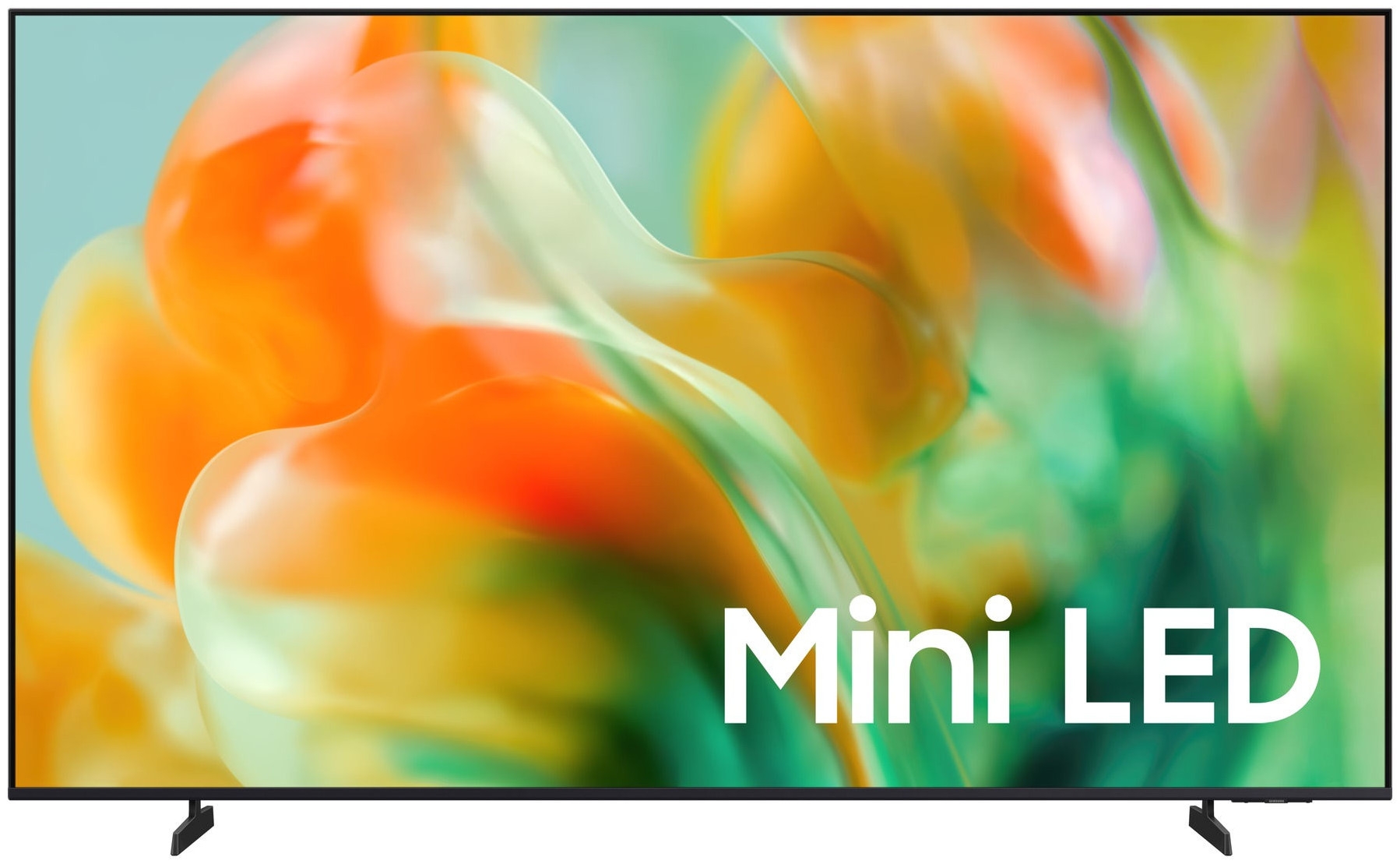
The Samsung 75M80H offers a compelling large-screen 4K experience with strong gaming features, but its HDR performance and local dimming limitations require careful consideration.
Decision: consider · Match: 90/100 · Confidence: 90/100
How this score is calculated: This score combines two things: the product's absolute hardware level (Qor AI Tech Score 92/100) and how well it fits your quiz answers — weighted 60/40. Product segment: Flagship class. A device that is excellent for its own class still will not reach the score of a higher tier.
This 75-inch Mini LED TV excels in delivering a smooth viewing experience, especially for gaming and sports, thanks to its 144Hz refresh rate and low input lag. However, the absence of local dimming can lead to less impactful black levels and a compromised HDR experience compared to rivals. While its AI-powered upscaling is impressive, buyers prioritizing deep contrast and peak HDR brightness in dark room environments might find it falls short. It's a strong contender for bright room viewing and dynamic content, but not for critical dark-room cinema. The Tizen smart platform is robust and user-friendly, enhancing its overall appeal.
Detailed analysis
The Samsung 75M80H Ultra HD (4K) TV, released in 2026, is a 75-inch Mini LED Smart TV running on Samsung's Tizen operating system. It features a 4K resolution panel, aiming to deliver a premium viewing experience with advanced image processing and smart capabilities. The TV is designed to cater to users seeking a large, high-resolution display with modern connectivity and smart features. At its core, the 75M80H leverages Mini LED technology and the NQ4 AI Gen2 Processor 4K to enhance brightness, contrast, and overall clarity. The AI-powered image processing is particularly effective at upscaling lower-resolution content to near-4K quality, making older media look better on the large screen. However, the lack of a true local dimming feature means that while overall brightness is good, black levels in dark scenes may appear less deep and more washed out compared to TVs with more advanced dimming zones. Performance-wise, the 144Hz Mini LED panel is a standout feature, providing exceptionally fluid motion crucial for gaming and fast-action sports. For PC gamers, it even supports up to 240Hz DLG (Dynamic Refresh Rate) at Full HD. This high refresh rate, combined with gaming-specific features like FreeSync Premium, VRR, and ALLM, ensures a highly responsive and tear-free gaming experience. The TV also supports HDR10+ and HLG, with Mini LED HDR and Auto HDR Remastering attempting to improve dynamic range, though its peak HDR brightness is not class-leading. Connectivity is robust, featuring three HDMI 2.1 inputs, which are essential for next-generation consoles and high-bandwidth devices, alongside a USB-A port, Wi-Fi 5, and Bluetooth 5.3. The inclusion of HDMI eARC simplifies connecting soundbars and AV receivers. However, the absence of a dedicated digital audio output might be a minor inconvenience for some users with specific legacy audio setups. The Tizen smart platform is a mature and user-friendly system, offering a wide array of streaming applications and smart home integration through Bixby, Amazon Alexa, and Google Assistant compatibility. This ensures a seamless and intuitive user experience for navigating content and controlling smart devices. The TV's audio system, with 20W RMS and 2.0 speakers, is enhanced by Adaptive Sound Plus and Object Tracking Sound (OTS Lite), providing clear dialogue and a balanced sound profile, though it may benefit from an external sound system for a truly immersive experience. Longevity is supported by Samsung's commitment to 7 years of software updates, which is a significant advantage for a Smart TV. This ensures that the Tizen platform and its applications remain current and secure for an extended period. The build quality is generally solid, consistent with Samsung's reputation, though potential panel uniformity issues have been noted by some owners, which could impact long-term visual consistency. Potential risks include the aforementioned lack of local dimming, which can be a significant drawback for cinephiles prioritizing deep blacks and high contrast in dark viewing environments. The HDR brightness, while good, may not satisfy those accustomed to the very brightest HDR displays. Buyers should also be aware of the reported occasional panel uniformity issues, which, while not widespread, could affect the viewing experience. Overall, the Samsung 75M80H is a strong choice for gamers and those who value a large, high-refresh-rate screen with excellent smart features. Its AI-powered upscaling and vibrant colours make it suitable for general entertainment, especially in brighter rooms. However, buyers seeking the absolute best in contrast and HDR performance for dedicated home cinema setups might need to consider alternatives with more advanced local dimming solutions.
Strengths
- Features a large 75-inch Mini LED panel for an immersive viewing experience.
- Offers a high 144Hz refresh rate, ideal for smooth gaming and sports content.
- Equipped with three HDMI 2.1 inputs, supporting next-gen gaming features like VRR and ALLM.
- Includes advanced AI-powered 4K upscaling for enhancing lower-resolution content.
- Runs on the Tizen operating system, providing a user-friendly and feature-rich smart TV experience.
- Supports FreeSync Premium and VRR, ensuring tear-free and low-latency gaming.
Weaknesses
- Lacks a true local dimming feature, which can lead to less precise black levels and contrast.
- HDR peak brightness is not as high as some competitors, potentially limiting the impact of HDR content.
- Reported slower pixel response times may cause some motion blur in fast-moving scenes.
- The TV does not include a dedicated digital audio output, requiring HDMI eARC for external audio.
- The 20W RMS audio output, while adequate, may not be powerful enough for a truly immersive sound experience on a 75-inch screen.
Things that change the decision
HDR Brightness Limitations
While supporting HDR10+ and HLG, the TV's peak HDR brightness is not as high as some competing models. This can result in a less dynamic and impactful HDR experience, particularly in very bright or very dark scenes where highlights might not pop as much.
Feature by feature
| Resolution | Ultra HD (4K) | The Ultra HD (4K) resolution ensures crisp and detailed images, providing an immersive viewing experience for movies, shows, and games. This meets the modern standard for high-quality visual content. |
| Screen size | 75 İnç LED | The generous 75-inch screen size offers a truly cinematic and immersive experience, making it suitable for larger living rooms. It enhances the impact of all content, from sports to movies. |
| Refresh Rate | 144Hz | With a 144Hz refresh rate, the TV delivers exceptionally smooth motion, which is crucial for fast-paced action, sports, and competitive gaming. It minimizes motion blur for a clear picture. |
| Operating system | Tizen | Tizen provides a user-friendly interface with quick access to a wide array of streaming services and smart features. Its integration with Bixby, Alexa, and Google Assistant offers versatile control options. |
| HDMI 2.1 Inputs | 3 Adet | The three HDMI 2.1 inputs are essential for connecting multiple high-bandwidth devices, such as the latest gaming consoles and PCs, supporting 4K at 120Hz and VRR. This ensures future-proof connectivity. |
| HDR Support | HDR10+ HDR10 HLG (Hybrid Log-Gamma) Mini LED HDR | Support for multiple HDR formats, including HDR10+ and HLG, ensures compatibility with a broad range of HDR content. Mini LED HDR aims to improve dynamic range, though peak brightness has limitations. |
| Gaming Features | FreeSync Freesync Premium Display Yansıtma Yesiable Refresh Rate (VRR) USB ile Resim/Müzik/Video Oynatma AirPlay Auto Low Latency Mode (ALLM) Bixby Bluetooth 5.3 Google Cast Matter Uyumu Samsung Knox Samsung SmartThings Audio Yansıtma 7 Yıl Yazılım Güncellemesi | Features like FreeSync Premium, VRR, and ALLM significantly reduce input lag and screen tearing, providing a highly responsive and fluid gaming experience. This makes it a strong choice for serious gamers. |
| Audio Output Power (RMS) | 20 W | The 20W RMS audio output is sufficient for general viewing in a typical room, with features like Adaptive Sound Plus enhancing dialogue clarity. However, for a truly immersive audio experience, an external sound system would be beneficial. |
| AI Upscaling | 4K AI Upscaling | The 4K AI Upscaling feature intelligently enhances non-4K content, bringing it closer to Ultra HD quality. This is a significant benefit for viewers who consume a variety of older or lower-resolution media. |
| Wireless Connectivity | Wi-Fi: Yes; Dahili Wi-Fi: Yes; Bluetooth 5.3 | Integrated Wi-Fi and Bluetooth 5.3 ensure reliable wireless connectivity for streaming, smart home integration, and connecting peripherals. This provides flexibility and reduces cable clutter. |
What owners say
Satisfaction: 78/100
Community sentiment for the Samsung 75M80H Ultra HD (4K) TV is generally positive, with a notable emphasis on its strengths in gaming and overall visual enhancement. Many owners are particularly impressed with the AI-driven image upscaling, which breathes new life into older content by bringing it closer to 4K quality. The large 75-inch screen size is also a frequently cited positive, contributing to a highly immersive viewing experience that users find compelling for movies and sports. Gamers, in particular, form a strong positive segment, consistently praising the TV's 144Hz refresh rate, low input lag, and support for features like FreeSync Premium and VRR. These capabilities are seen as crucial for a fluid and responsive gaming experience, making the TV a popular choice among this demographic. The Tizen smart platform also receives positive feedback for its intuitive interface and broad app support, contributing to overall user satisfaction. However, a significant point of contention revolves around the TV's picture quality in specific scenarios. The lack of a robust local dimming feature is a recurring complaint, with users noting that black levels in dark scenes can appear washed out or less deep than expected. This limitation particularly impacts the cinematic experience for those who frequently watch content in dimly lit environments, leading to some negative feedback. Another area of mixed sentiment concerns HDR performance. While the TV supports HDR10+ and HLG, some owners feel that the peak HDR brightness is not as impactful as on other premium TVs, leading to a less dynamic HDR presentation. This suggests that while the TV offers HDR compatibility, it may not fully deliver the 'pop' that some users expect from a modern 4K HDR display. Audio quality from the built-in speakers is generally considered adequate for everyday viewing but rarely stands out as a strong point. Many users find the 20W RMS output sufficient for casual use, but those seeking a more immersive sound experience often plan for or invest in external sound systems. This indicates a neutral stance on the integrated audio, where it meets basic expectations but doesn't exceed them.
What owners keep praising
- High Refresh Rate and Gaming Features
The 144Hz refresh rate, coupled with gaming-specific features like VRR and ALLM, is frequently praised for delivering an exceptionally smooth and responsive gaming experience. - Large Screen Size
The expansive 75-inch display is a major draw, with users loving the immersive and cinematic feel it brings to their viewing.
Chronic problems
- Panel Uniformity and Banding occasional
Some users have reported issues with panel uniformity, including vertical lines or banding, particularly noticeable on solid colour backgrounds or in dark scenes. This can appear shortly after setup and may require panel replacement.
Smart alternatives
- LG 65QNED87B6A Ultra HD (4K) TV — This LG model offers a slightly smaller 65-inch QNED panel, which combines Mini LED with Quantum Dot technology for vibrant colours and good contrast. It runs on LG's webOS platform, which is a strong alternative to Tizen, and includes Dolby Atmos support for enhanced audio.
- iFFALCON 75U95A Ultra HD (4K) TV — The iFFALCON 75U95A matches the Samsung's 75-inch screen size and also offers 4K resolution, but it runs on Android TV, which provides a different smart ecosystem. It features a more powerful 40W audio output with a built-in subwoofer, potentially offering better sound out of the box.
- Samsung 48S90F Ultra HD (4K) TV — This Samsung alternative uses an OLED panel, offering superior black levels and contrast compared to the 75M80H's Mini LED, but in a significantly smaller 48-inch size. It also runs on Tizen and has a more powerful 40W audio system with a subwoofer, making it better for dark room viewing.
Price outlook
Trend: stable · Buy or wait: watch · Best time to buy: Late Q4 2026 or early Q1 2027
The Samsung 75M80H, being a 2026 model year release, is currently in its early market cycle, which typically means prices tend to be stable or experience only minor fluctuations. Mini LED technology, combined with a large 75-inch screen and advanced features, positions this TV in the premium segment, where initial pricing is maintained for a longer period. Strong consumer demand for large-screen 4K TVs, especially those with high refresh rates and gaming-centric features, also contributes to price stability. Samsung's brand reputation and market leadership in the TV segment allow them to sustain premium pricing for their flagship and high-tier models. This means buyers should not expect immediate or significant price reductions. While major discounts are unlikely in the short term, potential minor price adjustments might occur during seasonal sales events, such as Black Friday in late Q4 2026. However, these are typically modest and may not represent substantial savings. The best time to consider a purchase for a more meaningful price drop would likely be towards the end of 2026 or early 2027, as retailers clear inventory in anticipation of Samsung's next annual model refresh. Component costs and global supply chain dynamics also play a role, but for a recently launched premium model, these factors generally support the initial pricing. Given the current market conditions and the product's age, a 'watch' recommendation is appropriate. Buyers should monitor prices for any unexpected promotional events, but patience is advised for more substantial savings. It is important to note that the Qor catalog currently lists an approximate price, but without a precise figure, direct price comparisons or detailed historical analysis are limited. The expectation of stability is based on general market trends for newly released premium TVs from major brands like Samsung.
Who is it for?
Buy it if: This TV is perfect for gamers due to its 144Hz refresh rate, low input lag, and HDMI 2.1 support, ensuring a fluid and responsive experience. It also suits sports enthusiasts who will appreciate the smooth motion handling, and those seeking a large, immersive 75-inch display for general entertainment.
Skip it if: It is not suitable for users who prioritize a premium dark-room cinema experience, as the lack of local dimming and limited HDR brightness will result in less impactful black levels and contrast in dim environments.
Verdict
The Samsung 75M80H is a strong performer for dynamic content and gaming, offering a large, high-refresh-rate display with excellent smart features. While its picture quality is generally good, the absence of local dimming and moderate HDR brightness are notable compromises. It represents a solid choice for many, but not for those demanding top-tier contrast and cinematic black levels.
Frequently asked questions
Is the Samsung 75M80H TV suitable for gaming?
Yes, the Samsung 75M80H offers an excellent experience for gamers, thanks to its 144 Hz refresh rate, low input lag, FreeSync Premium, and VRR support. It also supports 240 Hz DLG when connected to a PC.
What is the picture quality of this TV like?
The Mini LED technology and NQ4 AI Gen2 Processor enhance overall picture quality. However, the absence of local dimming can limit black depth in dark scenes, and HDR brightness is lower compared to some rivals.
What smart features does the Samsung 75M80H have?
The TV features the Tizen operating system, providing a user-friendly experience with a fast interface and extensive app support. It also offers compatibility with Bixby, Alexa, and Google Assistant.
Is the TV's audio performance sufficient?
The 20 W RMS audio output and 2.0 speaker system provide a basic sound experience. While features like Adaptive Sound Plus and OTS Lite improve sound, an external sound system is recommended for a richer experience.
How long does the Samsung 75M80H receive software support?
Samsung commits to up to 7 years of software updates for this model. This is a significant advantage, ensuring the TV remains current and gains access to new features over a long period.